EU Regulations on Alcohol-Free Drinks: A Complete Guide

Within the realm of drinks the term “alcohol-free” is gaining significant popularity. A growing number of consumers are turning to non-alcoholic alternatives due to various reasons, including personal preferences, health also lifestyle options. While the need for alcohol-free drinks increases is the need for clear regulations that regulate the consumption of these beverages.


Understanding the importance of EU Regulations


Why You Must Learn

Before we get into the specifics of EU rules governing alcohol-free drinks, it’s essential to understand why this knowledge is vital. No matter if you’re looking for reliable products or a company looking in achieving compliance standards Let’s look at the reasons EU regulations regarding alcohol-free drinks are important:

The Growing Popularity of Alcohol-Free Beverages

Alcohol-free beverages have expanded beyond the limits of soda and water. Nowadays, they include an array of drinks which include alcohol-free beer, stylish mocktails to alcohol-free spirits. Since consumers are seeking more healthy and varied beverage options, the demands for these products are climbing.

Health and Safety Concerns

They rightly expect that products they buy meet the highest quality and safety standards. The regulations ensure that alcohol-free drinks are manufactured, labeled and advertised in ways that focus on the consumer’s health. They also help to avoid misleading assertions and safeguard people that should stay clear of alcohol due to reasons of health.

In the industry, there is a need for growth and innovation. Growth and Innovation

The industry of alcohol-free drinks is rapidly growing, with innovative products that go against the grain of conventional wisdom. Producers are experimenting with complex flavor and textures, which resemble alcoholic counterparts. In order to support this growth and to maintain trust with consumers and confidence, thorough regulations are required.

After you’ve understood the significance of EU regulations on alcohol-free drinks let’s explore the key rules that regulate these drinks in our next section.


H2: Essential EU Regulations for Alcohol-Free Drinks

In the following section, we’ll dive into the heart of the problem by delving into crucial regulations that define the alcohol-free beverage industry within the European Union. From maximum permitted alcohol content to the labeling requirements, we’ll decipher the rules that distributors, producers, and consumers need to know.


Maximizing Safety and Consumer Confidence

As we embark on this regulatory journey, be aware this: these regulations aren’t only red tape to be imposed by bureaucrats. They serve an important purpose to ensure that alcohol-free beverages adhere to strict quality standards. provide clear and accurate information to customers, and contribute to the creation of a healthier and safer drink environment.

We’ll now look through the intricate details of EU regulations governing alcohol-free drinks in the next section.

[Next up: Section 2: Key EU Regulations for Alcohol-Free Drinks]

Direct Supplier Excellence: Order Alcohol-Free Spirits in Volume from Swedish Distillers!

The key EU Regulations for Alcohol-Free Drinks

In our attempt to better understand the complexities of alcohol-free beverages inside the European Union, we now venture into the heart of that matteraEUR”the regulations. These rules are the basis in ensuring alcohol-free beverages are safe, clear and have the right standard of quality. Let’s start this regulatory journey by dissecting the essential EU regulations governing alcohol-free drinks.


Maximum Permitted Alcohol Content


Why it is Important

The definition of “alcohol-free” hinges on the acceptable alcohol content. In the EU where a beverage is to be labeled as “alcohol-free,” it must not contain more than 0.5% alcohol by volume (ABV). This low threshold is crucial in ensuring the safety of consumers, specifically for individuals who wish to completely avoid alcohol either for health reasons, dietary, or personal reasons.


labeling requirements


Klarity, and Transparency

EU regulations stipulate that the labels of alcohol-free drinks must clearly display their alcohol content. This is not only an issue of transparency, but also essential for consumers who rely on such data. The label should clearly have the “alcohol-free” designation as well as the exact ABV so that the consumer can make informed decisions.


Substances, Additives and Ingredients


Quality and Pure

To ensure the safety and purity of alcohol-free drinks, EU regulations set out strict requirements regarding additives and ingredients. The regulations guarantee the use of only certified substances are used in the making of these beverages. The main focus is to maintain integrity of the product regardless of whether it’s alcohol-free wine, beer, or spirits.


Health Claims and Advertising


Avoiding false claims

EU regulations also govern public health claims, as well as the marketing of alcohol-free drinks. This is to avoid false claims that could give false impressions about the health benefits of drinking such drinks. Producers must adhere to guidelines that ensure the accuracy and reliability for their advertisements.


Standardization and Quality Standards and Safety Inspections


Continuous Testing and Quality Control

Another vital aspect of EU regulations is the application of quality standards and security examinations. Producers are required by law to conduct rigorous testing and quality-control actions to ensure that alcohol-free beverages are compliant with established standards. This includes hygiene, safety from microbiological contamination and overall quality of the product.


Conformity and Certification

Now that we have an understanding of the most important EU regulations for alcohol-free drinks You may be thinking how distributors or producers can guarantee compliance with these rules. The process of ensuring compliance is a vital part of bringing these products to market in compliance with EU rules.


H2: Making the Right Choices

In the process of complying, it can be challenging task, but it is vital for distributors as well as producers to ensure that their alcohol-free beverages meet EU standards. Here are the steps to follow in the compliance procedure:

Testing and Analyzing

Producers must conduct a thorough test and analysis of their alcohol-free beverages to make sure that they meet the required standards. This includes verification of alcohol content in addition to testing for ingredient and evaluations of quality.

Documentation and Record-keeping

An accurate and detailed record is the basis of compliance. Producers need to maintain records of testing, ingredient source, and production methods. These records provide evidence of compliance and could be checked by regulators.

Working with Regulatory Authorities

Distributors and producers typically work with regulators in order so that compliance is maintained. This can include obtaining required authorizations and certifications. These depend on the specific type of alcohol-free drink.

Common Challenges and how to Overcome These Challenges

Compliance can present challenges particularly for small-scale producers as well as those who are relatively new to the industry. Some of the most frequent obstacles include understanding legal complexities, balancing testing costs and keeping updated with the latest rules. Expert guidance from a professional and being updated with the latest regulatory developments are key strategies for overcoming the challenges.

In the next section, we will delve into the effects of these regulations on consumers who are making informed choices in choosing alcohol-free beverages.

[Next step: Section 3: Impact on Consumers]
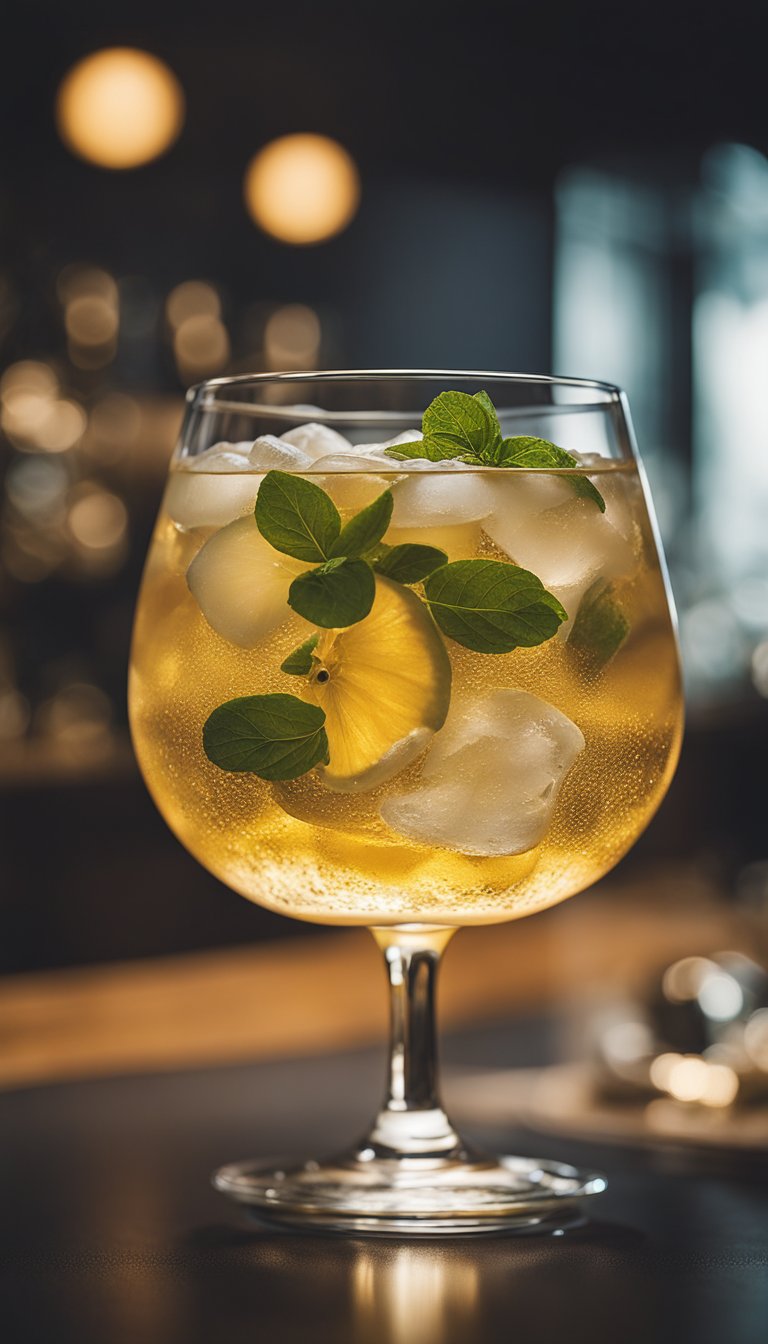
Non-alcoholic

Impact on Consumers in Navigating EU Regulations on Alcohol-Free Drinks

As we continue our journey through the realm of alcohol-free drinks and the regulations that govern them in the European Union, we come to a pivotal point of considerationaEUR”the impact of these regulations on consumers. It is crucial for consumers to comprehend how these regulations impact how they can choose and what rights are available to them in relation in choosing alcohol-free drink.


Why should consumers be concerned about EU Regulations on Alcohol-Free Drinks?

Before delving into the specifics the details, it’s important to answer the fundamental question: Why do consumers have to care about EU guidelines on alcohol-free drink? The main reasons are:

  1. Health and Trust: Consumers deserve the right to use safe and secure products. Regulations guarantee that alcohol-free drinks comply with specific safety and quality standards, reducing the likelihood of health-related concerns or misrepresentation.

  2. Information-based Choices These regulations allow consumers to make informed decisions. By understanding the need for labeling requirements as well as declarations of healthfulness, the consumer are able to confidently choose products that suit their preferences, dietary needs and lifestyle.

  3. Avoiding false claims: Regulations safeguard against deceptive advertising and health claims by preventing consumers from falling victim to deceitful marketing tactics.

Now, let’s dive into how EU regulations affect consumers:


Literacy Labels and Debate Claims


Transparency in Labeling

One of the easiest way consumers are affected EU regulations is through the labeling of product. When you pick up any alcohol-free drinks in the EU the label must provide accurate and clear information. The following is a list of things to look for:

  • Alcohol Content: Labels must should display the exact alcohol content, usually expressed as Alcohol by Volume (ABV). It allows consumers to check to be sure that the alcohol is genuinely free of alcohol, thereby meeting the EU’s 0.5 percent ABV threshold.

  • “Alcohol-Free” Label: It should be prominently feature the “alcohol-free” designation, ensuring that customers can easily identify the products.

  • Intake Lists Laws demand comprehensive ingredient lists, which can help consumers with dietary restrictions or allergies make informed choices.

  • “Health” claims Careful with claims about health that appear on labels. Regulations are in place to prevent false statements, therefore consumers can be confident that the health benefits of the product are clearly stated.


In the event of a non-compliance, report it.


Consumer Rights and Accountability

Consumers also play an important role in keeping EU regulations on alcohol-free drink. If the label of a product appears false or you suspect an infraction to regulations, you can be able to report it. Reporting any violations helps to maintain its integrity market, and holds the manufacturers accountable.


The Resources For Consumers

As well as reporting violations Consumers can also seek guidance from various resources for guidance:

  • consumers Associations: Many consumer associations actively monitor the compliance of products and are able to provide information and assistance.

  • Examination Authorities You can contact your national or regional regulator for assistance and for concerns.

  • Community Online: Involving in web-based forums and communities may provide insight and advice from fellow consumers who share your interests.

Understanding the way EU regulations impact consumers enables consumers to make educated choices and ensure the integrity of the alcohol-free drinks market. In the next section we’ll take a look at the next changes in the evolving market, and what consumers should anticipate from alcohol-free beverages.

[Next: Section 4: Future Trends and Conclusion

Non-alcoholic

Future Trends for the World of Alcohol-Free Drinks

As we journey through the details of EU rules on alcohol-free beverages as well as their impact on consumers and their consumption habits, it’s essential to take a look ahead and consider future trends in this evolving market. The market for alcohol-free drinks is expanding rapidly and bringing new ideas as a result of changing consumer tastes and healthier choices.


Why Future Trends Are Important

Keeping track of future trends isn’t just a matter of curiosityaEUR”it’s essential for both producers and consumers. Being ahead of the game means keeping up with changing demands of the market and regulatory changes. Consumers, it’s having access to an increasing array of exciting and health-conscious drink options.


1. The Variety of Products Increasing


The Beyond of the Basics

The world of alcohol-free drinks is no longer limited to classic options like soda or sparkling water. Producers are continually expanding their portfolios of products to provide customers with a diverse assortment of options. Some examples include:

  • Alcohol-free beer: This type of beer has been refined, and have flavors and aromas that closely to their alcoholic counterparts.

  • Wine Alternatives: Alcohol-free wines are gaining popularity, offering consumers an experience and taste wine, but without alcohol.

  • Alcohol-Free Spirits: Mocktails and alcohol-free spirits are on the rising trend, allowing consumers to taste complex flavors as well as cocktails without alcohol.


2. Innovative Ingredients and Flavors


mimicking complexity

Producers are investing in research and development to create beverages that are alcohol-free, and replicate the distinct flavors and experiences of alcohol drinks. This includes testing with botanicals, herbs, and spices to create nuanced profiles.

  • Botanical Infusions: Gin that is alcohol-free and botanical spirits combine various botanicals, delivering unique flavor experiences.

  • Techniques for Distillation Many distillation companies employ techniques to extract flavors with no alcohol making sophisticated alcohol-free spirits.


3. Health and Wellness Focus


aligned with consumer Values

The demand from consumers for healthier products has led producers to focus on health and wellness aspects. This includes highlighting nutritional information, organic ingredients, and the benefits of wellness.

  • Low Calories and Sugars: Many alcohol-free beverages are designed to be low in calories and sugar, catering to health-conscious consumers.

  • Practical Ingredients They are including the use of functional ingredients like vitamins, adaptogens, and antioxidants to enhance the health impact of the products they sell.


4. Sustainability and Eco-Friendly Practices


Meeting Environmental Concerns

Sustainability is a rising concern, and producers are responding with eco-friendly practices. This includes sustainable sourcing of components, eco-friendly packaging, and the reduction of carbon footprints.

  • Plastic Recyclable: Many brands that are alcohol free have opted for recyclable or biodegradable bags to reduce their environmental impacts.

  • Ethical Sourcing: Producers are increasingly transparent about the sourcing of their components, ensuring they comply with ethical and sustainable standards.


5. Educational and Consumer Empowerment


Informed Choices

As the landscape of alcohol-free drinks evolves, consumer education becomes important. Companies are investing tools to help consumers better understand their products. These include:

  • Online Resources: Platforms for social and online media offer information about the ingredients used in products, health benefits, and serving suggestions.

  • TASTING EVENTS: The producers of certain brands host seminars and tastings to guide consumers on how to drink alcohol-free beverages to the fullest.

Understanding the future trends helps consumers to make decisions that align with their preferences and values. In our next article we’ll go over the key conclusions and discuss how the world of alcohol-free drinks continues to influence the choices of consumers and experiences.

[Next step: Section 5: Summary and Looking forward]

In-depth Summary and Looking forward: How to navigate EU Regulations on Alcohol-Free Drinks

As we come to the end of our extensive review of EU regulations on alcohol-free drinking and their profound effect on consumers and the industry, it’s essential to recap the key findings from each section and look forward to what’s in store for the future in this dynamic landscape.


Section 1: The basics of EU Regulations

The first portion of our trip, we delved into the fundamental aspects of EU regulations governing alcohol-free beverages. Here are some of the key lessons learned:

  • EU Regulations Ensure Safety: These regulations are developed to ensure the high quality and security of alcohol-free drinks as well as ensuring that drinkers can enjoy these beverages without health hazards.

  • labeling clarity: Users can be confident in clear and accurate labeling to identify alcohol-free drinks and know their ingredients and health claims.

  • Consumer Rights: Consumers have the right to file complaints about violations of regulations, helping to create a trustworthy and accountable market.


2. Production and Compliance

In the 2nd section, we examined the production and quality aspects of alcohol-free cocktails:

  • Quality Standards for Production The producers must conform to a strict set of standards, including the 0.5% ABV limit for a classification that is alcohol-free.

  • testing and certification Tests and certifications for HTML0 undergo extensive tests to verify that they satisfy the regulations.

  • Obligation to Be Compliant: It is crucial to avoid penalties and maintain trust of consumers.


Section 3: The impact on Producers and Market

The third segment of our report focused on the effect of regulations on the producers and market:

  • market growth: It is evident that the need for non-alcoholic drinks is on rise, driven by health-conscious consumers and the development of new products.

  • Competition and Innovation: Producers are continually making improvements to meet consumer needs that result in a wide array of alcohol-free options.


Section 4: Future Trends

In the final section, we looked at the future trends that will shape the future of alcohol-free drinks:

  • Expanding the Variety of Products: Consumers can expect to find a wider selection of alcohol-free drinks, with innovative alternatives to traditional options.

  • Innovations in Flavors and Ingredients: The producers are investing in replicating complex flavors, enhancing the drinking experience.

  • The Health and Wellness Priority: Health-conscious consumers will discover products that are in line with their lifestyle preferences and wellness goals.


Section 5 The Summary and Looking Forward

In this part, we’ve analyzed crucial information we’ve learned from our investigation of EU regulations on alcohol-free drinks. These knowledge-based insights help consumers and producers to navigate the constantly changing regulatory landscape efficiently.

As we approach the future the world of alcohol-free drinks is bound to grow and innovation. Consumers can anticipate an ever-expanding selection of options that cater to their varied tastes, preferences, and values. Producers, in turn, should be on guard in adhering to rules and regulations while also embracing the opportunities that are offered by this vibrant market.

In conclusion, understanding EU regulations on alcohol-free drinks isn’t just a matter of compliance but also about ensuring safety, transparency, and choice which consumers should have. With a brighter outlook the market for alcohol-free drink is a great place for consumers to explore the possibilities, enjoy, and lift their glasses for a healthy and delicious and enjoyable experience.

Thank you for coming along in this adventure into the world of alcohol free drinks and EU regulations. We look forward to a future by exciting and responsible alcohol alternatives.


“End of Series [End of Series
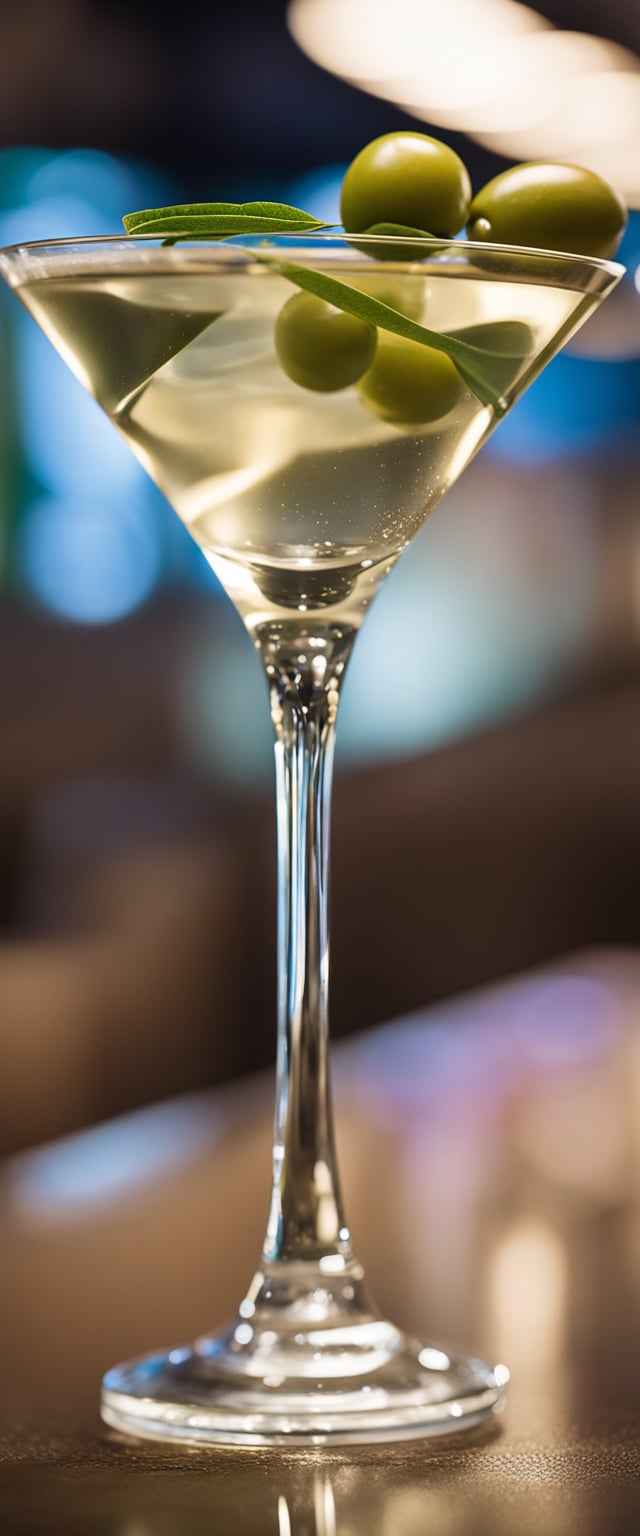
Why alcohol-free Spirits are a game changer for Drivers with a Designated Driver

As the sun goes down and the evening begins to unfold many of us decide to head out to spend quality time with family and friends. For those who are planning a night in the city as well as a dinner event or a special celebration, these occasions often involve drinking, laughing, or, for some spirits, alcohol. However, not everyone is able to partake in the libations equally. The designated drivers, the largely unnoticed heroes of responsible drinking, contribute to keeping everyone safe in these gatherings.

In this article, we’ll explore a remarkable shift in the beverage industry that’s expected to make the adventure of driving a designated driver not only fun but also thrilling. This article will focus on alcohol-free spirits the kind of drink that’s been causing a stir lately. They’re a lot more than just alternatives of traditional alcoholic beverages, they’re a gateway to an whole new world of flavours and experiences.


Incorporating Alcohol-Free Spirits

Alcohol-free spirits(also called zero-proof spirits, spirits that are not alcoholic, or spirit alternatives, have been designed to recreate the taste and aroma of alcoholic spirits, but without the alcohol content. The drinks are made by mixing botanicals, herbs, spices, as well as other natural ingredients. They recreate the complex tastes found in traditional spirits such as vodka, gin and whiskey.

The rise of alcohol-free spirits

The last couple of years the demand for alcohol-free spirits has skyrocketed. The surge in popularity can be attributed to a variety of reasons that include:

  1. Health and Wellness Trends: As more people pay attention to their health and wellbeing as a priority, they are searching for alternatives to drinking alcohol. Alcohol-free spirit is a means for people to enjoy enjoying a well-crafted drink without any negative health issues that are associated drinking alcohol.

  2. Responsible Drinking: The importance of drinking responsibly and staying clear of drinking while driving has been promoted all over the world. Alcohol-free spirits offer a safe alternative for drivers who are designated and other individuals who opt not to consume alcohol.

  3. Diversity in Flavors Alcohol-free spirits are available in a variety of flavor options, allowing drinkers the opportunity to explore new tastes and play with new cocktails.

  4. Cultural shift: There’s a cultural shift toward moderation and mindful drinking. Many are looking for alternatives that allow them to meet friends without excessive consumption of alcohol.

  5. Innovation: Beverage companies are constantly innovating and creating drinks that are alcohol free and closely mimic what it is like to drink alcoholic drinks. This has made the category more appealing to the consumer.


The Reasons Alcohol-Free Spirits Relevant for Designated Drivers

The designated drivers are the unspoken the heroes of any party. They take on the responsibility of ensuring that their acquaintances, family members, or colleagues get home safely after their night out. While their role is crucial, it is often with the risk of not being able to fully participate during the night’s drinking. But with alcohol-free spirits, designated drivers can now enjoy various sophisticated and delicious drinks improving their experience, moving them from only abstinence and into a full-on experience.

Imagine being in the position of a designated driver at cocktail party and sipping an alcohol free version of a classic mojito. Or, a refreshing and refreshing tonic and gin. These alcohol-free spirits offer all the flavor and none that contains alcohol allowing those who are designated drivers to enjoy the quality of the drink and still remain completely sober.

In the following section, we’ll explore more deeply the world that is alcohol-free spirits. We’ll explore the different flavors and options that are readily available, making the process easier than ever before for designated drivers to enjoy their job without missing out on the enjoyment.

herbal

A Direct Path to Premium: Order Your Bulk Alcohol-Free Spirits from Swedish Distillers!

The Different Flavors and Types of Alcohol-Free Spirits

When it comes to alcohol-free spirit, there’s a lot of diversity to the game. They’re not limited by a few standard alternatives. They’re available in various flavors and styles, made to accommodate all tastes. No matter if you’re a fan the botanical complexity of gin as well as the smokiness of whiskey, or the versatility of vodka you’ll find a spirit alcohol-free ready to please your taste buds.

For this part, we’ll take a tasty journey through the many varieties of alcohol-free spirits which will showcase the many options available to those seeking an elegant and safe drinking experience.

The exploration of alcohol-free Gin

Bold Botanicals, Zero Alcohol: Gin enthusiasts, rejoice! Gin with no alcohol captures the essence of this cherished spirit without the ethanol. Coriander, Juniper, citrus peel, as well as other botanicals can be blended in a way that creates an unmistakable gin character. Drink it neat or mix it up with Tonic, or make a classic martini aEUR” Alcohol-free gin provides endless possibilities.

The World of Alcohol-Free Whiskey

A Whiskey that doesn’t burn: Whiskey aficionados can savor the deep, rich flavors of oak, vanilla and caramel, without alcohol. Alcohol-free whiskey offers the exact depth and character as its counterparts that are alcoholic, making it ideal for drinking straight or crafting zero-proof cocktails.

Vodka Redefined

Crisp and clean: Vodka lovers will be impressed by the crispness and range of vodka that is alcohol free. It is made with the purest quality ingredients and water, alcohol-free vodka gives a clean and neutral taste, allowing mixologists the ability to create a variety of cocktails without the alcohol content.

Rum Without the Storm

Tropical Vibes, Zero Evidence: Get away to Caribbean with alcohol-free rum. The exotic scents of sugarcane, molasses and spices transport your senses to a tropical destination. Have it in an unadulterated piA+ or a delicious mojito, which is alcohol-free.

Cocktails and Aperitifs

Sip the sweetness: Beyond the core spirits, alcohol-free cocktails and drinks like liqueurs can be a delightful escape. From alcohol-free amaretti for your coffee, to alcohol-free vermouth that is perfect for drinks at aperitif hours, these tasty alternatives will elevate your non-alcoholic drinks game.

Producing Spectacular Cocktails

Mixology Mastery: Spirits that are alcohol-free can be one of the secrets behind masterful mocktails. Mix up an Virgin Mary with alcohol-free vodka or a Nojito with alcohol-free Rum. The possibilities are endless, and your creativity will never know boundaries.

Frequently Answered Questions

What are the advantages of alcohol-free spirits?

Alcohol-free spirits bring many benefits for consumers, such as the opportunity to have the pleasure of tasting your favorite spirits without the health risks associated with alcohol. They also offer alternatives of designated drivers and individuals who prefer not to consume alcohol.

Can I add alcohol-free spirits for my favorite cocktails?

Absolutely! Alcohol-free spirits are versatile and can be used instead of alcohol-based liquors in all cocktail recipes. They can help you make delicious and sophisticated mocktails.

Where can I purchase spirits that are alcohol-free?

Spirits that are alcohol-free are becoming more accessible. They are readily available in liquor stores, specialty drink retailers, as well as some grocery stores. Additionally, many online merchants provide a broad selection of easy home delivery.

Are alcohol-free spirits more expensive than regular spirits?

Although alcohol-free spirits can have an a bit higher cost than other spirits, they’re a fantastic value for the quality and the enjoyment they offer. Additionally, the savings from not purchasing alcohol could offset the cost difference.

In the Next Section

Since we’ve explored and experienced the diverse world of alcohol-free spirits it’s time take a deeper look at the benefits of these drinks to designated drivers and everyone looking to enjoy a more alcohol-free and enjoyable drinking experience. In the upcoming section of this report, we’ll find out how alcohol-free spirits are changing the character of designated drivers from sober observers to enthusiastic participants in the festivities.

The rise of alcohol-free spirits as a Health-conscious Choice

In the ever-changing field of drinks, a massive change is happening. A growing number of people are selecting alcohol-free spirits an option for health. This section explores the health-conscious, conscious movement behind alcohol free spirits, as well as shedding light on what is driving them to become the preferred drink for those who care about their health, without sacrificing taste.

The Health Imperative

Integrating Wellness In today’s world of health-consciousness, people are increasingly mindful about the food they consume. Even though alcohol has a social popularity, can trigger many health concerns such as liver damage, to increased risk of certain forms of cancer. This has caused a number of people to reconsider their relationship to alcohol.

Reducing Calories and Sugar: Alcohol-free spirits provide a solution to those looking to reduce sugar and calories. Traditional alcohol drinks can be very calorific and loaded with sugars from mixers. Alcohol-free spirits allow you to drink cocktails without the empty calories.

The Devoted Driver’s Delight

Empowering Designated Drivers: Designated drivers play a significant role to ensure safe journeys home after having a night out. However, their options for delicious drinks have generally been limited to alcohol-free sodas or water. Alcohol-free spirits have changed the game which allows designated drivers the opportunity to drink sophisticated, zero-proof drinks while enjoying the festivities with a lot of enthusiasm.

The Mindful Mixology

Mixology with a Sense of Thought: Mixologists worldwide are making use of alcohol-free spirits, which are valuable ingredients to create thoughtful cocktail recipes that are health conscious. They are equally delicious and refined as the alcohol-based ones, and showcase how endlessly creative the art of mixology.

A. The Non-Alcoholic Social Scene

Building inclusive spaces: Alcohol-free spirit is fostering more inclusive social environments. Be it at a trendy cocktail bar or hosting an evening from home drinks will allow everyone to take part in toasts or shared moments without having to drink alcohol.

Frequently Answered Questions

Are alcohol-free spirits totally alcohol-free?

Yes, alcohol-free spirits contain no ethanol, an alcohol commonly found inside traditional spirits. They are created to imitate the aromas and flavors of alcohol-based spirits, but without the intoxicating effects.

Can alcohol-free spirits and spirits be consumed by women who are pregnant?

Alcohol-free spirits may comprise alcohol, expecting mothers must consult with their healthcare providers prior to consuming alcohol-free beverages or products to ensure they meet their specific medical needs during pregnancy.

Do alcohol-free spirits taste anything like what they are?

Many alcohol-free spirits have been designed to closely mimic the taste and aroma of alcoholic counterparts. The taste and quality of the product can vary among brands, so it’s worthwhile looking into various choices for those that most closely match your tastes.

Where can I buy alcohol-free spirits?

The alcohol-free spirits are now becoming more accessible and can be found inside liquor stores, specialist beverage retailers, and online. The increased demand for these spirits has led to wider distribution.

In the Next Section

In our exploration of an alcohol-free world, the next segment will focus on the variety of flavor and styles available that range from alcohol-free gin to whiskey without the burn. Begin your journey to tasting the many facets of alcohol-free spirits alternatives.

Zero

Explore the Flavorful world of alcohol-free Spirits

In our travels through the world of alcohol-free spirits we’ve discovered the health-conscious revolution as well as empowered designated drivers and delved into the art to create mindful mixes. Now, it’s time to discover the thriving and varied universe of alcohol-free spirit, which is where an array of tastes and flavors await those looking for an indulgence that is delicious and responsible experience.

The Flavorful Tapestry

A Variety of Flavors: One of the most appealing aspects of alcohol-free spirits lies in the diversity of flavors available. Similar to traditional alcoholic spirits, it is possible to sample a broad spectrum, including botanical-infused alternatives that resemble Gin to smoky choices that capture the essence of whiskey in a way that doesn’t contain alcohol.

Gin without the guilt: For lovers of gin and tonic Alcohol-free gin alternatives provide a botanical symphony with coriander, juniper, as well as citrus notes. They are ideal for making classic cocktails such as the Gin Fizz or simply mixing together with tonic as well as a twist of lime.

Whiskey minus the alcohol: Non-alcoholic whiskey options intend to recreate those intense and complex flavours of traditional whiskey. You can sip smoky oaky, and caramel notes without worrying about the euphoric effects. One can also drink a original Old Fashioned or Manhattan.

Vibrant Vodka Alternatives The alcohol-free alternatives to vodka provide the pure, pure flavor of vodka, but without the alcohol content. They can be used as a base for a range of drinks, beginning with the classic Martini to fruity cocktails.

Savoring the Experience

High-end Sipping Much like their alcoholic counterparts alcohol-free spirits are designed to be savored. You should take time to appreciate exquisite flavors and scents by slowing down your drinking and allowing the liquor to soak in your palate.

Cocktail creativity: Spirits that are alcohol-free can be an absolute boon for mixologists and bartenders in the home. Explore different flavors and ingredients for unique spirits that are alcohol-free, and which suit your tastes.

Pairing Possibilities Do not forget about food pairings. Alcohol-free spirits are great with diverse dishes including light appetizers and filling meals. Look at the tastes of your selected spirit while deciding on the best food matchings.

Frequently Asked Questions

Can I make use of alcohol-free spirits as a substitute for my favorite drinks?

Absolutely! Alcohol-free spirits are created to be versatile and often be used as a one-to-1 alternative to their alcohol-based counterparts in cocktails. Play around with your favorite recipes for non-alcoholic versions.

Can alcohol-free spirits be described as having the alcohol flavor?

Alcohol-free spirits are crafted so that they resemble the taste of their alcoholic counterparts but without the alcohol taste. The emphasis is on re-creating the distinct aromas and flavors which make them ideal for those who want be able to enjoy their drink with no alcohol.

Where can I find spirit that is alcohol-free?

Alcohol-free spirits are now increasingly available in liquor stores, specialty drink retailers, and online. Demand for these products makes it easier for consumers to access them.

In the Next Section

As we continue to explore the world the alcohol-free liquors, the next article will examine the best ways to consume these spirits responsibly. We’ll explore moderation, responsible consumption, and tips for incorporating alcohol-free spirit into your routine in a seamless way.

“The Sober Revolution: Exploring the Ambient of Alcohol-Free Spirits

It’s the end of our five-part series on spirits that are alcohol-free. We’ve embarked on a remarkable adventure that has exposed the myriad tastes, the rise conscious mixology, as well as the socially responsible movement. In this chapter’s final installment, we’ll go over our experience and highlight the key takeaways from each chapter. Let’s get one more time to the world of flavor made of spirits without alcohol.

A Recap of Our Journey


Section 1 The rise of alcohol-free Spirits

In the first part of our series in which we reviewed the growing trend of alcohol-free spirits. We discovered that these spirits aren’t just for designated drivers but also cater to all those who want an environmentally responsible and healthier way to enjoy tasty cocktails. Important points:

  • Health-conscious Movement: People are increasingly focusing on their health and well-being increasing in demand for alcohol-free choices.
  • More than just mocktails: Alcohol-free spirits are not restricted to classic mocktails; they offer many creative options for mixologists and home bartenders.


Section 2: Enhancing the Designated Drivers

Our next section was focused on the positive effects of drinking alcohol-free spirits to designated drivers. We examined the ways these beverages allow people who are not drinkers to participate in social occasions while also ensuring their safety and sobriety. Most important:

  • Designated Drivers are Important: Designated drivers play an essential part in security for their loved ones and family.
  • Social Integration: No-alcohol spirits foster inclusion, allowing everyone to enjoy social gatherings without feeling left out.


3. Mindful Mixology

The final part of our travels took us into the realms of conscious mixology. We learned that crafting alcohol-free cocktails is a form of art as well as these drinks can be as sophisticated in taste and enjoyment as their alcoholic counterparts. Important points:

  • Creative Possibilities: Mixology without alcohol opens the doors to creativity and innovation, resulting in unique and delectable drinks.
  • Sensory Experience: Drinking alcohol-free drinks will stimulate your senses, and can make for a wonderful experience.


Section 4: The Flavorful Tapestry

In our final section we looked into the variety of flavors that are available from alcohol-free spirits. We examined how they reflect the traditional spirits yet are alcohol-free. Some key points:

  • Numerous Choices Alcohol-free spirits are available in a myriad of flavors, from the whiskey-like botanicals of gin.
  • Cocktail Base: These drinks serve to be a solid base for crafting a variety of cocktails, ranging from traditional to a more unique.

In Conclusion

Our adventure through drinks that don’t contain alcohol has been delicious and enlightening. We’ve discovered that these beverages transcend the limits of traditional mocktails, and provide a wide range of flavours and possibilities. They assist designated drivers and promote responsible drinking. Mixology-based thinking transforms them into an opportunity for creativity and their diverse flavors cater for a wide range of consumers.

As we come to the end of this series in the coming weeks, we’d like you to look into the world of alcohol-free spirit for yourself. It doesn’t matter if you’re a fitness-focused person, a designated driver, mixologist, somebody who’s curious about trying something different, there’s an opportunity for spirit without alcohol in your life.

So, here’s to a less invasive, healthy, and creative approach to enjoying beverages. Salute to the world of alcohol-free spirits!

Series Recap

Before we bid adieu, let’s recap our journey:

  • Section 1 It was a look at the popularity of alcohol-free spirits as a response to the health-conscious movement as well as the possibilities for creativity they provide.
  • Section 2 It was discussed in detail how alcohol-free spirits assist designated drivers to make social gatherings safer and more inclusive.
  • Part 3 Our focus was on mindful mixology, and the art of making sophisticated cocktails that are alcohol-free.
  • 4. We tasted the numerous flavors of alcohol-free spirits and were taught how they enrich cocktail-making.

Thank you so much for joining us on this adventure. wir look forward to seeing your next adventures in fascinating and stimulating topics.